Technology
The plant that takes
a site off gas.
Heat first, then power, then the controls that tie them together. Each part is sized against the others, so the system earns its place on the tariff you actually have.
01 / Heat
Industrial heat pumps.
A heat pump does not make heat, it moves it. The smaller the gap between where the heat comes from and the temperature you need, the less electricity it takes. That gap is the lift.
So we look for a warm source first. Rejected heat from refrigeration, cooling or effluent sits at 25 to 35°C and is usually thrown away. Upgraded, it comes back at 65 to 90°C on demand.
Lift and COPIllustrative
Rule of thumb only: half the theoretical Carnot limit for the two temperatures. Real performance depends on the machine and the site, and is confirmed in design.
Industrial heat pumps
Air or water source, including MVR, matched to the supply temperature.
Hot water and process heat
Sized to the site’s duty, with a planned changeover from gas.
Heat recovery
Rejected heat from refrigeration, cooling or effluent, upgraded for reuse.
Thermal storage
Water, ice or phase change, so heat is made away from the peaks.
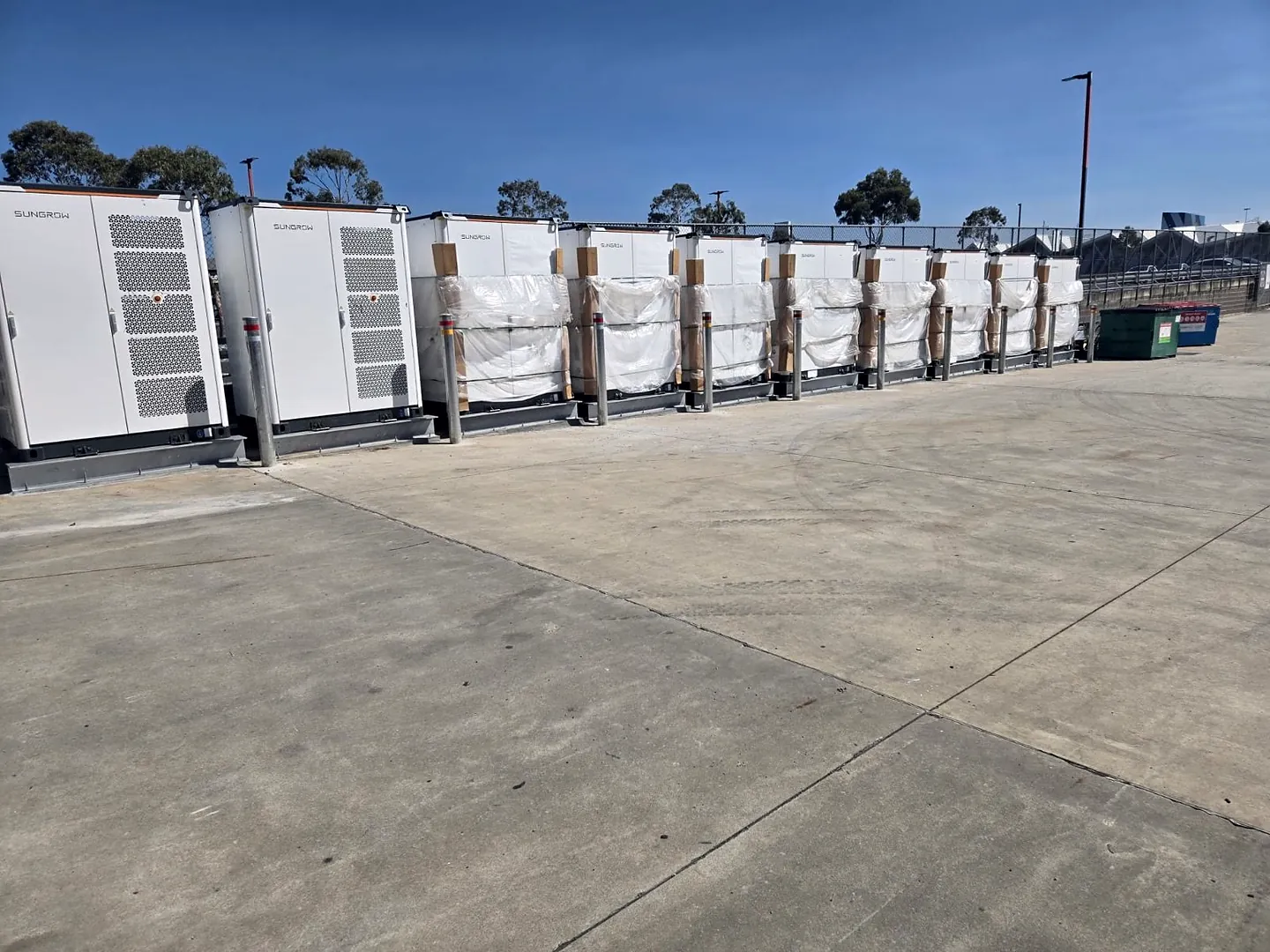
Battery energy storage delivered at a Melbourne shopping centre.
02 / Storage
Batteries that do a job.
A battery is sized to what the site can use, as part of the system rather than standalone. It soaks up solar the site would otherwise export, then carries the load through the evening peak.
- Sized from interval data, tariff and the electrical capacity the site already has
- Dispatched by the EMS alongside heat pumps and thermal storage
- Backup and resilience where the site needs to stay up
- Battery inspections for systems already in the field
03 / Generation
Solar, sized to the load under it.
Rooftop, carport and ground-mount solar, and solar hybrid systems with storage. We size generation around your energy use, tariff and available electrical capacity, not the size of the roof.
- STCs and LGCs handled in-house. Our director is an accredited person for both
- Certificates are assessed with the design. The business case never depends on them
- PV audits for existing systems, including IR and thermal imaging
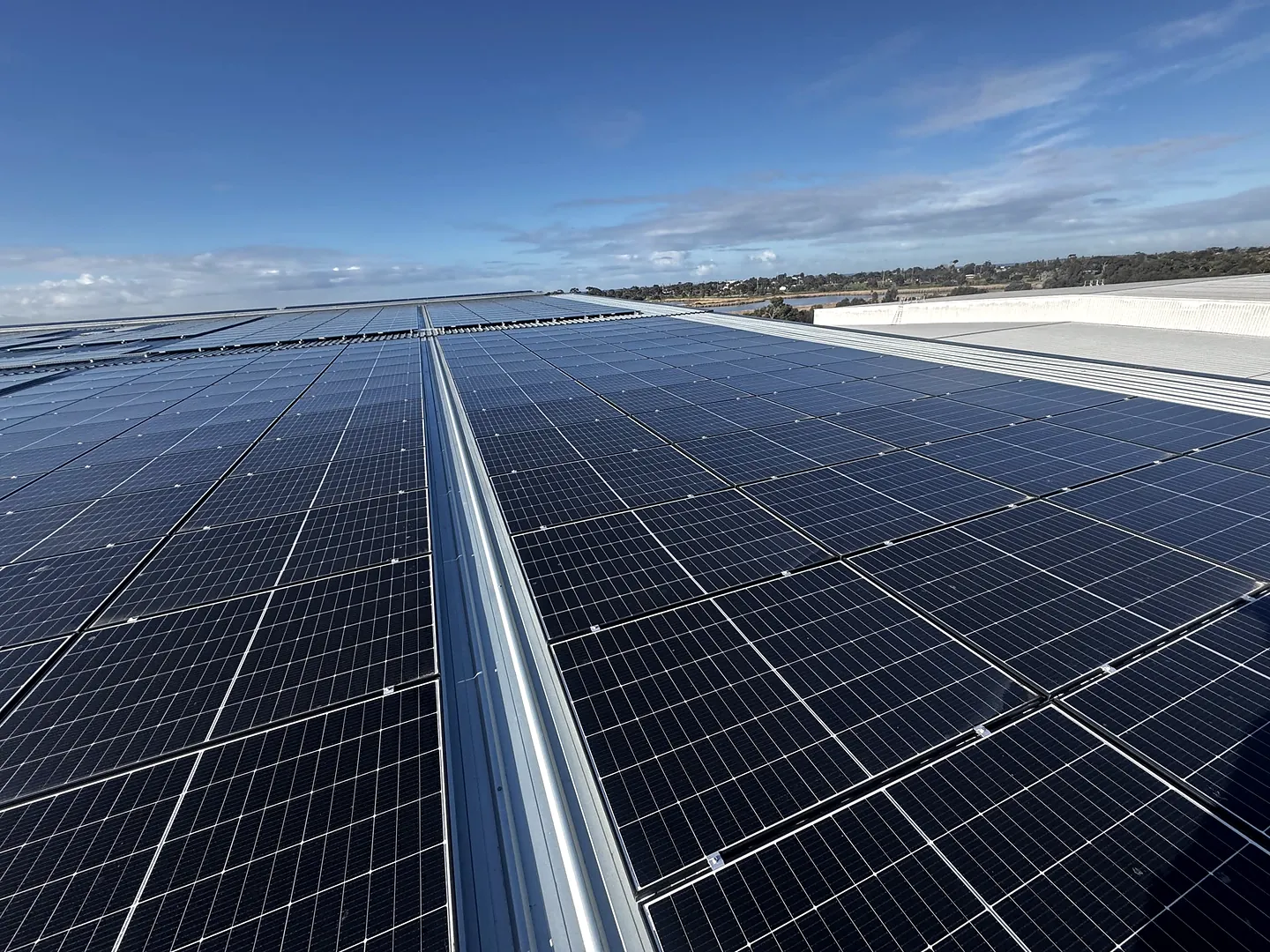
Solar hybrid system delivered at a cold storage site in Brisbane.
04 / Control
An EMS that plans the next 24 hours.
Plant that is installed together should run together. The energy management system reads site data, tariffs and weather, then schedules heat pumps, storage and batteries a day ahead.
EMS and controls
Heat pumps, storage and batteries planned 24 hours ahead from site data, tariffs and weather.
Power factor correction
Designed where demand is charged in kVA, assessed against the site’s tariff.
Solar and BESS
Sized to what the site can use, as part of the system rather than standalone.
05 / Operate
We stay on it after handover.
Monitoring, inspections and planned maintenance keep the system doing what it was designed to do. We also assess plant we did not install.
Active system monitoring
Per site, so faults are found early and fixed before they cost you.
PV audits
Commercial and industrial systems, including IR and thermal imaging.
Battery inspections
Against a standard inspection scope, for systems up to 800 kWh.
Call-out and service
Our own electricians, dispatched from the nearest home base.
Start with
the data.
Send 12 months of energy bills, and interval data if you have it. We model the options from there.